
Daily Buddhist practice, as outlined in various manuals, offers a structured path for spiritual growth. A guide, like Acharya Buddharakkhita’s work, illuminates these daily routines.
Consistent practice, including morning prostrations and evening recitations, fosters mindfulness and ethical conduct, benefiting all sentient beings, as the Buddha taught.
What is Daily Buddhist Practice?
Daily Buddhist practice encompasses a range of activities designed to cultivate wisdom, compassion, and ethical conduct in everyday life. Resources like the “Buddhist Manual for Everyday Practice” by Acharya Buddharakkhita, available as a PDF, detail these routines.
It’s a systematic approach, often beginning with morning rituals such as prostrations to the Thirty-Five Buddhas, and concluding with evening practices like Vajrasattva recitation. These practices aren’t merely religious obligations, but tools for transforming the mind. The Buddha emphasized consistent effort, guiding devotees to integrate mindfulness into all activities.
This includes recollection of the Buddha, Dhamma, and Sangha, serving as constant reminders of the path to liberation. It’s a daily commitment to self-improvement and benefiting others.
Benefits of a Consistent Practice
A consistent daily Buddhist practice, as detailed in a guide or PDF manual, yields profound benefits. Regular engagement with practices like meditation and ethical conduct cultivates inner peace and reduces suffering. The Buddha’s teachings emphasize the transformative power of sustained effort.
This dedication strengthens mindfulness, allowing for greater awareness of thoughts, emotions, and sensations. It fosters compassion, extending kindness to oneself and all beings. Ethical living, guided by the Five Precepts, creates harmonious relationships and a sense of integrity.
Ultimately, consistent practice leads to wisdom, liberation from negative patterns, and a deeper understanding of reality.
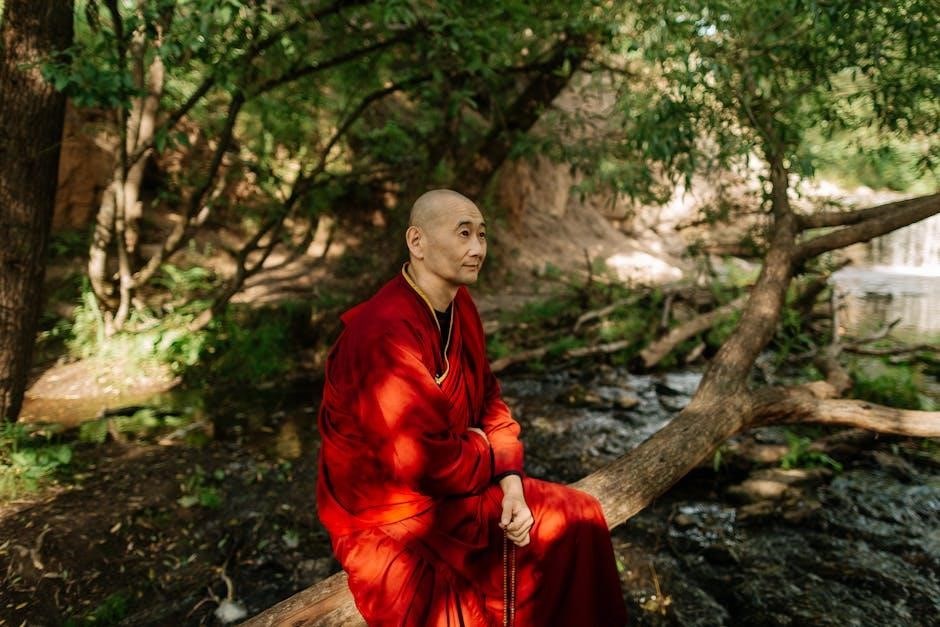
Core Practices for Daily Life
Daily routines, detailed in a Buddhist manual, center around morning prostrations, meditation, and evening Vajrasattva recitation—foundational practices for spiritual development and mindful living.
Morning Practice
Morning practice, a cornerstone of a dedicated daily routine, begins with profound reverence. The Buddha’s teachings emphasize starting the day with mindful intention, often through prostrations to the Thirty-Five Buddhas, a practice detailed in many Buddhist manuals.
This act of physical and mental devotion cultivates humility and generates positive energy. Following prostrations, engaging in either sitting or walking meditation is crucial. These practices, as guides suggest, center the mind, fostering clarity and preparing one for the challenges of the day.
Consistent morning practice establishes a strong foundation for ethical conduct and mindful awareness throughout all activities, aligning with the core tenets of the Dharma.
Prostration to the Thirty-Five Buddhas
Prostration to the Thirty-Five Buddhas is a foundational daily practice, meticulously outlined in Buddhist manuals like those by Acharya Buddharakkhita. This practice, deeply rooted in tradition, involves physically prostrating oneself while reciting the names of these enlightened beings.
It’s a powerful act of humility, reverence, and purification, dissolving self-cherishing and cultivating compassion. The Buddha’s teachings emphasize the benefits of this practice for accumulating merit and overcoming obstacles.
Guides often recommend performing these prostrations with mindful intention, visualizing the Buddhas and their qualities, fostering a deep connection to the lineage and the Dharma.
Morning Meditation (Sitting or Walking)
Following prostrations, morning meditation – whether sitting or walking – forms a crucial component of a daily Buddhist practice, detailed in numerous guides and manuals. This practice, central to the Buddha’s teachings, cultivates mindfulness, concentration, and insight.
Sitting meditation often involves focusing on the breath, observing thoughts and emotions without judgment. Walking meditation extends mindfulness to movement, noticing the sensations of each step.
Consistent practice, even for a short duration, anchors the mind, reduces reactivity, and fosters a sense of inner peace, preparing one for a mindful and compassionate day.
Evening Practice
Evening practice, as detailed in a daily Buddhist practice guide, serves as a reflective close to the day, consolidating insights and purifying negativity. This period often includes practices like Vajrasattva recitation, a powerful method for cleansing obscurations and cultivating remorse.
The Buddha emphasized the importance of reviewing one’s actions, acknowledging mistakes, and reaffirming commitment to ethical conduct. This evening reflection, coupled with gratitude for the day’s blessings, fosters contentment and prepares the mind for restful sleep.
Consistent evening practice reinforces positive qualities and supports continued spiritual growth.
Vajrasattva Recitation
Vajrasattva recitation, a core element of many daily Buddhist practice guides, is a powerful purification practice. It involves repeating the hundred-syllable mantra, visualizing Vajrasattva, the embodiment of purity, and confessing negative actions. This practice isn’t merely about admitting wrongdoing, but actively transforming it.
The Buddha’s teachings emphasize the potential for all beings to overcome obstacles and attain enlightenment. Reciting the mantra with sincere remorse and visualization creates a potent force for clearing negative karma and cultivating positive qualities.
Regular practice fosters inner peace and strengthens one’s commitment to the path.
Evening Reflection & Gratitude
Evening Reflection & Gratitude, frequently detailed in daily Buddhist practice guides, is a vital practice for cultivating contentment and wisdom. It involves reviewing the day’s actions, acknowledging both successes and shortcomings, without self-judgment. This isn’t about dwelling on mistakes, but learning from them.
Cultivating gratitude for the positive experiences, however small, shifts our focus from what’s lacking to what we already possess. The Buddha emphasized the importance of appreciating the present moment.
This practice fosters a sense of peace and prepares the mind for restful sleep.

Essential Buddhist Practices
Essential practices, like the Recollection of the Buddha, Dhamma, and Sangha, are foundational. These recollections, outlined in manuals, guide ethical conduct and deepen understanding.
Recollection of the Buddha (Buddhanussati)
Buddhanussati, or recollection of the Buddha, is a core practice detailed in many daily practice guides; This involves vividly bringing to mind the qualities of the Buddha – his wisdom, compassion, and purity.
By repeatedly contemplating these virtues, practitioners cultivate positive mental states and diminish negative ones. A manual might suggest focusing on specific aspects, like the Buddha’s enlightenment or his teachings.
This practice isn’t merely remembering a historical figure; it’s connecting with the potential for enlightenment within oneself. Regular Buddhanussati strengthens faith, inspires ethical conduct, and fosters a deeper understanding of the Dharma, ultimately guiding one towards liberation.
Recollection of the Dhamma (Dhammanussati)
Dhammanussati, the recollection of the Dhamma, is a vital practice found within daily Buddhist manuals. It involves reflecting upon the Buddha’s teachings – the Four Noble Truths, the Eightfold Path, and the principles of dependent origination.
Practitioners select a passage from the Tipitaka, deeply contemplating its meaning and relevance to their lives. This isn’t rote memorization, but a mindful engagement with the core principles of Buddhism.
Regular Dhammanussati clarifies understanding, reduces confusion, and inspires wise action. It cultivates wisdom, strengthens conviction in the path, and ultimately leads to liberation from suffering, as guided by the Buddha’s teachings.
Recollection of the Sangha (Sanghanussati)
Sanghanussati, the recollection of the Sangha, is a crucial element detailed in many daily Buddhist practice guides. It involves remembering the virtuous qualities of the monastic community – their harmony, respect, and dedication to the Dhamma.
This practice isn’t simply remembering individuals, but appreciating the collective body of practitioners who uphold and transmit the Buddha’s teachings. Reflecting on their discipline and commitment inspires our own practice.
Sanghanussati fosters a sense of connection, gratitude, and support. It reminds us we are not alone on the path, and strengthens our faith in the enduring power of the Buddhist tradition, as exemplified by the Sangha.
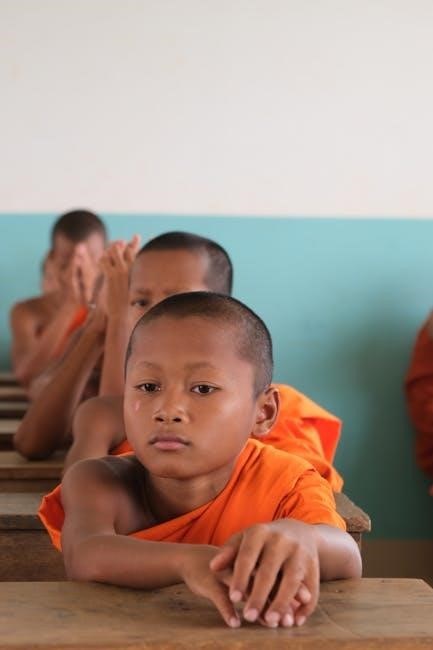
Developing Mindfulness in Daily Activities
Daily practice guides emphasize mindful breathing, eating, and walking—transforming routine actions into opportunities for present moment awareness, fostering inner peace and clarity.
Mindful Breathing Throughout the Day
Mindful breathing serves as an anchor to the present moment, a core tenet detailed in many daily practice guides. Integrating this practice isn’t confined to formal meditation sessions; it’s about bringing awareness to each inhalation and exhalation throughout your day.
Notice the sensation of the breath—the rise and fall of your abdomen, the cool air entering your nostrils, and the gentle release. When the mind wanders, as it inevitably will, gently redirect your attention back to the breath without judgment.
This simple act, repeated consistently, cultivates a sense of calm and presence, transforming ordinary moments into opportunities for mindful awareness, as emphasized in Buddhist teachings and manuals.
Mindful Eating
Mindful eating, a practice detailed in numerous daily Buddhist practice guides, transforms a routine activity into a spiritual exercise. It involves paying full attention to the experience of eating – the colors, smells, textures, and flavors of the food.
Before eating, take a moment to express gratitude for the nourishment. Chew slowly and deliberately, savoring each bite. Notice the sensations in your body as you eat, and become aware of any feelings of fullness or satisfaction.
Avoid distractions like screens or reading, allowing yourself to be fully present with your meal. This practice cultivates appreciation and reduces overeating, fostering a healthier relationship with food and oneself.
Mindful Walking
Mindful walking, frequently detailed within a daily Buddhist practice guide, transforms locomotion into a meditative act. It’s about bringing complete awareness to the physical sensations of walking – the lifting, moving, and placing of each foot.
Notice the feeling of your feet making contact with the ground, the shifting of your weight, and the movement of your body through space. Pay attention to the rhythm of your breath and the sensations in your legs and arms.
Release any tension you may be holding and simply be present with the experience of walking. This practice cultivates grounding, presence, and a deeper connection to your body and surroundings.
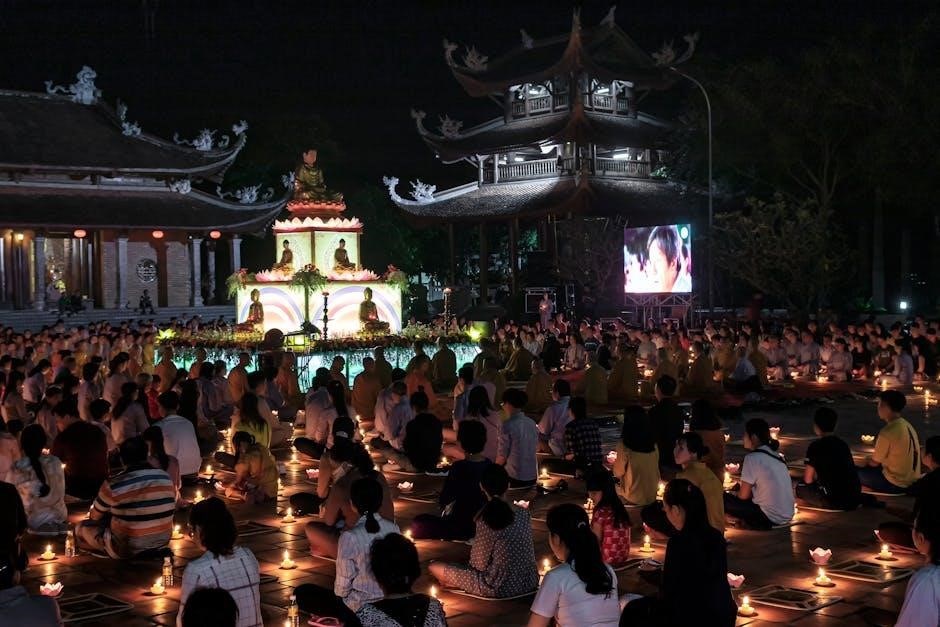
Ethical Conduct & Precepts
Buddhist manuals emphasize ethical conduct, guided by precepts like the Five Precepts, fostering wholesome actions and mindful living for daily practice.
The Five Precepts
The Five Precepts form a foundational ethical framework within daily Buddhist practice, detailed in many manuals and guides. These aren’t rigid commandments, but rather training principles for cultivating a more compassionate and mindful life.
Firstly, abstaining from taking life cultivates reverence for all beings. Secondly, refraining from stealing promotes honesty and respect for others’ possessions. Thirdly, avoiding sexual misconduct fosters healthy relationships and responsible behavior. Fourthly, abstaining from false speech encourages truthful and kind communication. Finally, avoiding intoxicants that cloud the mind supports clarity and awareness.
Adhering to these precepts, as Buddha taught, isn’t about punishment or reward, but about freeing oneself from suffering and cultivating inner peace through ethical living.
Applying Ethical Principles to Daily Life
A daily Buddhist practice guide emphasizes that ethical principles extend beyond simply avoiding negative actions. It’s about actively cultivating wholesome qualities in every aspect of life. This involves mindful consideration of how our actions impact ourselves and others.
For example, applying the precept against harming extends to compassionate speech and avoiding contributing to systems that cause suffering. Honesty isn’t just about avoiding lies, but also about transparency and integrity in all dealings.
Cultivating these principles, as outlined in manuals, transforms ethical conduct from a set of rules into a lived experience, fostering genuine well-being and contributing to a more harmonious world, guided by the Buddha’s teachings.
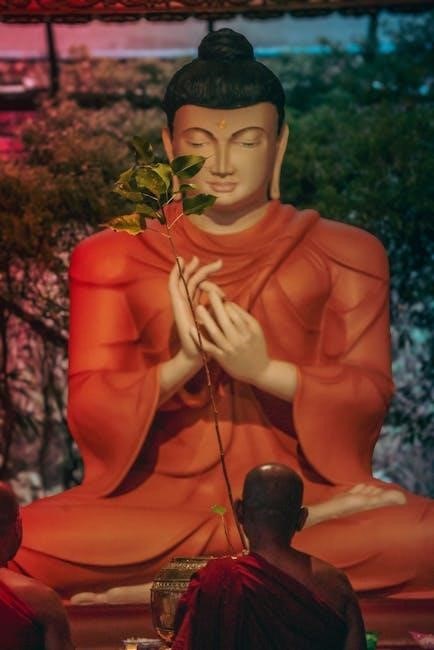
Study & Learning
Daily practice benefits from studying Buddhist texts – Sutras and commentaries – alongside listening to Dharma talks, deepening understanding and inspiring mindful living, as guides suggest.
Reading Buddhist Texts (Sutras, Commentaries)
Buddhist texts, like Sutras, are foundational to understanding the Dharma and enriching daily practice. A daily practice guide often emphasizes their importance, encouraging regular engagement with the Buddha’s teachings.
Exploring commentaries provides deeper insights into the Sutras, clarifying complex concepts and offering practical applications for modern life. Resources, including PDFs like Acharya Buddharakkhita’s manual, make these texts accessible.
Consistent reading cultivates wisdom, strengthens conviction, and inspires ethical conduct. Selecting passages for contemplation, as in Dhammanussati, enhances the practice. This dedicated study illuminates the path to liberation, guiding practitioners towards inner peace and compassion.
Listening to Dharma Talks
Integrating Dharma talks into your daily routine is a powerful complement to textual study, as suggested in many Buddhist practice guides. These talks, often available online, offer contemporary interpretations of the Buddha’s teachings, making them relatable and accessible.
Listening attentively cultivates understanding and inspires mindful living. A manual for everyday practice can guide you to reliable sources. Hearing experienced teachers articulate the Dharma clarifies doubts and deepens your connection to the path.
Regularly engaging with Dharma talks reinforces ethical principles and fosters compassion. It’s a convenient way to maintain a continuous stream of inspiration, supporting your daily practice and overall spiritual growth.

Cultivating Loving-Kindness (Metta)
Metta meditation, detailed in daily Buddhist practice guides, extends compassion to all beings. Dedication of virtues, as a guide suggests, amplifies this practice.
Metta Meditation Practice
Metta, or loving-kindness meditation, is a core practice detailed within a daily Buddhist practice guide. Begin by finding a comfortable seated position, gently closing your eyes, and taking a few deep breaths to center yourself. Silently repeat phrases of loving-kindness, starting with yourself: “May I be well, may I be happy, may I be peaceful, may I be free from suffering.”
Gradually extend these wishes to others – first to a loved one, then to a neutral person, then to someone you find difficult, and finally to all beings. Visualize each person as you offer these blessings. A guide emphasizes consistent practice, even for a few minutes each day, to cultivate genuine compassion and interconnectedness. This practice transforms negative emotions and fosters inner peace.
Extending Loving-Kindness to All Beings
A daily Buddhist practice guide highlights the crucial step of expanding Metta beyond personal circles. After directing loving-kindness towards oneself and specific individuals, the practice broadens to encompass all beings without exception. Visualize all sentient creatures – humans, animals, even those causing harm – and silently offer them the same wishes for well-being.
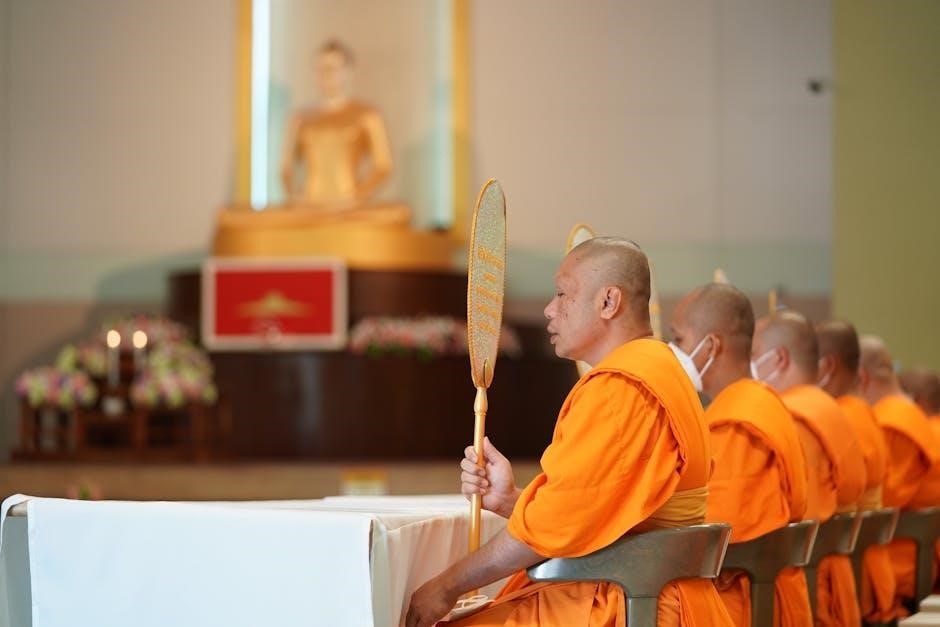
This isn’t about condoning harmful actions, but recognizing the shared desire for happiness and freedom from suffering inherent in all life. Consistent practice, as detailed in manuals, dissolves boundaries and cultivates universal compassion. The Buddha’s teachings emphasize this interconnectedness, guiding us to extend kindness to every corner of existence, fostering peace and harmony.

Working with Difficult Emotions
A daily Buddhist practice guide emphasizes recognizing and accepting emotions without judgment. Meditation, a core practice, transforms negative feelings into opportunities for growth and understanding.
Recognizing and Accepting Emotions
Daily Buddhist practice guides, such as those available as PDF resources, consistently highlight the crucial first step in working with difficult emotions: mindful recognition. This involves observing feelings – anger, sadness, fear – as they arise, without immediately reacting or identifying with them.
The practice isn’t about suppressing emotions, but about creating space to acknowledge their presence. Like a skilled observer, you simply note, “This is anger,” or “This is sadness,” without getting carried away by the story or judgment attached to it.
Acceptance follows recognition. Accepting an emotion doesn’t mean liking it; it means acknowledging its reality in the present moment. This acceptance, cultivated through meditation and mindful awareness, diminishes the emotion’s power and prevents it from escalating into harmful patterns.
Using Meditation to Transform Negative Emotions
Daily Buddhist practice guides, often found as PDF downloads, emphasize meditation as a powerful tool for transforming negative emotions. Once emotions are recognized and accepted, meditation allows us to investigate their nature – impermanent, arising and passing away.
Techniques like Metta (loving-kindness) meditation can directly counter negativity by cultivating feelings of warmth and compassion. Visualizing the emotion as a cloud passing through the sky, or simply observing it without judgment, can lessen its grip.
Through consistent practice, meditation doesn’t eliminate negative emotions entirely, but alters our relationship to them, fostering equanimity and preventing them from controlling our actions and thoughts.
Resources for Further Study
Numerous Buddhist manuals, including PDF versions like Acharya Buddharakkhita’s, offer detailed daily practice guides. Explore online resources and websites for deeper learning!
Recommended Books & PDFs (Buddhist Manuals)
Acharya Buddharakkhita’s “Buddhist Manual for Everyday Practice” is a highly recommended resource, readily available as a PDF. This comprehensive guide details essential daily routines, including prostrations, meditations, and recitations, offering a structured approach to integrating Buddhist principles into life.
Further exploration can include texts on the Thirty-Five Buddhas, Vajrasattva practice, and mindfulness techniques. Many traditional sutras and commentaries, accessible online or in print, provide deeper insights into the Dharma. Seeking guidance from experienced teachers and communities can also enrich your understanding and practice. Remember to prioritize resources aligned with authentic Buddhist teachings.
Online Resources & Websites
Numerous websites offer support for daily Buddhist practice. Accessing a daily buddhist practice guide PDF is often the first step, with resources like those linked to Acharya Buddharakkhita’s manual readily available. Websites dedicated to mindfulness and meditation, such as Insight Timer and Tricycle, provide guided meditations and articles.
Explore online Dharma talks from reputable teachers and monasteries. Websites affiliated with Buddhist centers often offer downloadable materials and practice instructions. Be discerning when selecting online resources, ensuring they align with established Buddhist traditions and ethical guidelines. Online forums can connect you with a supportive community of practitioners.

Creating a Personal Practice Schedule
Adapting a daily routine, perhaps using a guide PDF, is key. Consistency, even with short practices like Vajrasattva recitation, yields profound benefits over time.
Adapting Practices to Your Lifestyle
Daily Buddhist practice doesn’t demand rigid adherence; flexibility is crucial. A daily buddhist practice guide PDF can offer a foundation, but personalize it. If mornings are hectic, shift prostrations or meditation to evenings.
Consider shorter durations – even five minutes of mindful breathing is valuable. Integrate practices into existing routines: mindful eating during lunch, or walking meditation on your commute. The goal isn’t perfection, but consistent effort.
Don’t be discouraged by missed sessions; simply resume the next day. Prioritize practices that resonate with you, and gradually incorporate others. Remember, the Buddha emphasized skillful means – adapting teachings to individual needs and circumstances.
The Importance of Consistency
A daily buddhist practice guide PDF highlights that consistency, not intensity, fuels spiritual progress. Regular practice cultivates mindfulness, ethical conduct, and inner peace. Even brief, daily sessions yield greater benefits than sporadic, lengthy ones.
Think of it as tending a garden – consistent watering and care nurture growth. Missed days are natural, but returning to practice strengthens resolve. Establishing a routine anchors the practice amidst life’s fluctuations.
The Buddha’s teachings emphasize gradual training. Consistent effort transforms habits, fostering wisdom and compassion. Prioritize a sustainable schedule, recognizing that small, regular steps lead to profound transformation.