Prairie gardening embraces native grasses‚ wildflowers‚ and low-maintenance design‚ fostering biodiversity while reducing water use. It blends ecological stewardship with aesthetic appeal‚ offering a resilient landscape that supports pollinators and wildlife. It thrives with minimal care. Enjoy!!.
Benefits of Prairie Plants
Prairie plants deliver ecological‚ economic‚ and aesthetic benefits that make them ideal for sustainable landscapes. Ecologically‚ native grasses and wildflowers form deep root systems that stabilize soil‚ reduce erosion‚ and enhance groundwater recharge. Their diverse root architectures create microhabitats for beneficial insects‚ soil microbes‚ and small mammals‚ fostering a self‑sustaining ecosystem. By providing continuous cover‚ prairie species act as carbon sinks‚ sequestering atmospheric CO₂ and contributing to climate mitigation; Economically‚ these plants require minimal irrigation‚ fertilization‚ or pesticide inputs‚ dramatically lowering maintenance costs. Their drought tolerance and resistance to common pests reduce long‑term resource consumption. Aesthetically‚ prairie gardens offer a dynamic‚ textured visual experience that evolves seasonally. Early spring grass blades give way to spring wildflowers‚ followed by midsummer tall grasses‚ and autumn foliage adds warm hues. This layered progression provides visual interest throughout the year‚ while the natural color palette of purples‚ yellows‚ and greens complements any design. Additionally‚ prairie plants attract pollinators such as bees‚ butterflies‚ and hummingbirds‚ enhancing pollination services for adjacent crops or ornamental beds. Their presence also improves air quality by filtering airborne particulates and producing oxygen. Prairie gardens offer educational opportunities for community outreach‚ school projects‚ citizen science initiatives‚ raising awareness about native biodiversity and sustainable gardening practices. Together‚ these benefits create resilient‚ low‑maintenance landscapes that support both human and ecological well‑being. Enjoy. Prairie gardening thrives. Now! Prairie gardens thrive on minimal care‚ offering beauty and ecological value!
Site Selection and Soil Preparation
Choose a sunny‚ well‑drained site; prairie plants thrive in full sun and tolerate dry soils. Test soil pH (6.0‑7.5) and texture. Amend with compost or aged manure to improve structure‚ but avoid heavy lime or nitrogen. Level the bed‚ then sow or transplant. Add light mulch to keep soil moist and mulch
Soil Testing and Amendments
Before planting‚ conduct a comprehensive soil test to determine pH‚ nutrient levels‚ and organic matter content. Most prairie species prefer a slightly acidic to neutral pH range of 6.0 to 7.5; adjust with lime or sulfur as needed. Incorporate well‑rotted compost or aged manure to enhance texture‚ improve drainage‚ and supply slow‑release nutrients. Avoid high‑nitrogen fertilizers‚ which can encourage weed growth and reduce native plant vigor. After amending‚ allow the soil to settle for a week before sowing seeds or transplanting. For large beds‚ use a rototiller to mix amendments evenly‚ but be careful not to over‑till‚ which can disrupt native root systems. In sandy soils‚ add a layer of shredded bark or peat moss to increase moisture retention. In clayey soils‚ incorporate coarse sand or grit to improve aeration. Test for heavy metals or contaminants if the site has a history of industrial use. Maintain a mulch layer of shredded leaves or grass clippings to suppress weeds‚ conserve moisture‚ and slowly add organic matter. Monitor soil moisture with a simple probe; prairie plants generally need moderate watering during establishment‚ then tolerate drought. Reassess soil conditions every few years‚ especially after heavy rainfall or erosion events‚ to ensure continued suitability for native prairie species. By following these soil preparation steps‚ you create a resilient foundation that supports diverse prairie plant communities‚ enhances soil health‚ and reduces maintenance over time. daily. care
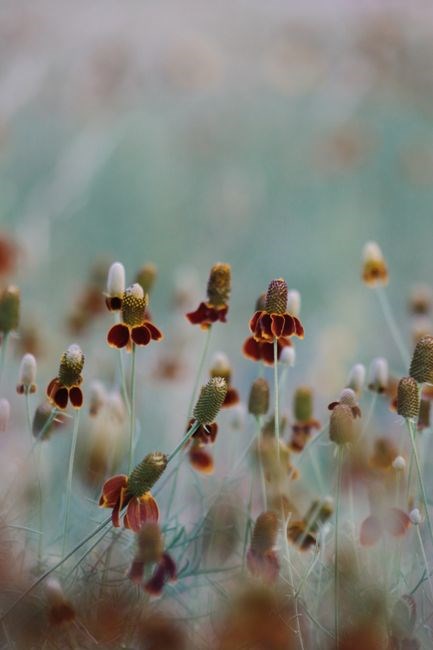
Choosing Native Prairie Species
Choose species that thrive locally: tall grasses like big bluestem‚ feather grass‚ and switchgrass; wildflowers such as prairie clover‚ black-eyed Susan‚ and prairie coneflower; Prioritize drought tolerant‚ native varieties to support pollinators and reduce maintenance. and enhance soil healthfor life
Perennial Grasses
Perennial grasses form the backbone of a resilient prairie garden. They provide year‑long structure‚ windbreaks‚ and habitat for native pollinators. Key species include big bluestem (Andropogon gerardii)‚ which can reach 8–12 ft and offers deep taproots that stabilize soil. Little bluestem (Schizachyrium scoparium) is shorter‚ 3–6 ft‚ and thrives in dry‚ sandy soils‚ adding a warm‚ reddish‑brown fall color. Switchgrass (Panicum virgatum) is a versatile‚ medium‑sized grass with a fibrous root system that improves soil organic matter and provides a dense canopy in summer. Indian grass (Sorghastrum nutans) offers tall‚ airy plumes and tolerates heavy clay‚ making it ideal for low‑light areas. Prairie dropseed (Chaenactis glabra) is a low‑lying‚ clumping grass that spreads slowly‚ creating a soft‚ carpet‑like base. All these grasses are native‚ drought‑tolerant‚ and require minimal fertilization. They also support beneficial insects‚ birds‚ and mammals‚ creating a self‑sustaining ecosystem. When selecting‚ consider site conditions—soil type‚ moisture level‚ and light exposure—to match each species’ natural niche. Proper spacing (12–18 inches for tall grasses‚ 6–12 inches for shorter ones) ensures healthy growth and reduces competition. Mulching with shredded bark or leaf litter can suppress weeds and retain moisture‚ while periodic mowing in late summer encourages new growth and keeps the prairie tidy. By integrating these perennial grasses‚ gardeners can achieve a low‑maintenance‚ ecologically robust landscape that celebrates native beauty and resilience. These grasses also sequester carbon‚ improving climate resilience. Their deep roots also help filter runoff‚ protecting waterways from erosion. They also improve soil structure‚ gardens very resilient.
Wildflower mixes are the heart of a prairie garden‚ offering texture‚ and a buffet for pollinators. A typical mix includes a blend of native species such as black‑eyed Susan (Rudbeckia hirta)‚ prairie coneflower (Echinacea angustifolia)‚ and prairie indigo (Baptisia australis). Add a touch of blue with prairie indigo (Baptisia australis) and a splash of yellow. These plants thrive in well‑drained soils and full sun‚ but many tolerate partial shade; When preparing the soil‚ remove weeds‚ loosen the top 12–18 inches‚ and incorporate compost to boost fertility‚ and enriches habitat. Sow seeds at a depth of ¼–½ inches‚ spacing them 2–4 inches apart‚ then lightly cover with soil. After germination‚ thin seedlings to 6–8 inches apart to reduce competition. Mulching with shredded bark helps retain moisture and suppress weeds. Wildflower mixes require minimal watering once established‚ but a light spray during dry spells keeps them healthy; Deadheading spent blooms encourages continuous flowering supports pollinatoractivity‚attracting pollinators! In the fall‚ cut back dead stems to ground level‚ allowing seeds to set for the next season. A balanced mix typically contains 40% tall species‚ 30% mid‑height‚ and 30% low‑lying‚ ensuring year‑long interest. For hardiness‚ choose varieties rated USDA 4–9 and use a seed spreader for even distribution. After planting‚ keep soil moist for the first two weeks to promote establishment. By rotating mixes‚ gardeners can extend bloom periods and maintain ecological diversity and a subtle scent of sage‚ bright! Wildflower mixes not only beautify the landscape but also provide critical habitat for bees‚ butterflies‚ and other beneficial insects‚ making them a cornerstone of sustainable prairie gardening.
Coneflower (Echinacea purpurea)
Propagation is straightforward; divide crowns every 3–4 years or collect seed in late summer. When planting near ornamental grasses‚ maintain 12–18 inch spacing to allow airflow and reduce fungal risk. Coneflower’s foliage provides shade during months‚ while its deep roots improve soil structure‚ enhancing water infiltration and nutrient cycling. Its flowers are for arrangements‚ adding rustic charm to bouquets. By integrating coneflower into prairie garden‚ you create an ecosystem that rewards both aesthetics and stewardship!
Planting Techniques
Plant prairie species in late spring or early fall‚ spacing 12–18 inches for grasses‚ 6–12 inches for wildflowers. Use a 3–4 inch seed depth for seeds‚ and 4–6 inch for transplants. Mulch lightly‚ avoid heavy layers‚ and water deeply once a week during dry spells.
Seed Sowing vs. Transplants
Choosing between sowing seeds and using transplants is a strategic decision that hinges on climate‚ soil‚ and the desired timeline. Seeds allow native plants to develop deep roots that mirror natural prairie dynamics. For species such as Echinacea purpurea‚ sow in late spring or early fall to ensure germination before extreme heat or cold.
Transplants‚ on the other hand‚ provide an immediate visual impact and are useful where rapid cover is needed. Nursery‑grown seedlings are typically 6–12 inches tall and should be planted at a depth that keeps the root collar just below the soil surface. This method is ideal for establishing a dense canopy of grasses like Andropogon gerardii or a structured border of ornamental perennials.
Hybrid approaches are common: sow a seed mix for the base layer‚ then intersperse transplants of taller species to create a layered effect. This strategy maximizes biodiversity. Consistent moisture‚ minimal disturbance‚ and a mulch layer are essential for seeds and transplants to thrive.
Before planting‚ test soil pH and nutrient levels; prairie species prefer slightly acidic to neutral soils (pH 6.0–7.0). Incorporate organic matter such as compost to improve structure and provide a slow release of nutrients. After planting‚ maintain a mulch of 1–2 inches to suppress weeds and conserve moisture‚ but remove it after the first growing season to allow light penetration for deeper root growth.
In addition‚ consider installing a drip irrigation system to reduce evaporation and disease risk. Monitor plant health weekly; early detection of pests or nutrient deficiencies can be addressed with organic amendments or companion planting of beneficial insects. Use mulch of shredded bark or straw to retain moisture and suppress weeds‚ but keep it loose enough for pollinators to access. Rotate seed mixes annually to maintain soil health. Also‚ schedule a mid‑summer soil test to adjust fertilization. Finally‚ document planting dates and species performance to refine future planting decisions and share insights with the local gardening community.
Maintenance and Pest Management
Prairie gardens thrive with minimal upkeep Water early mulch to conserve moisture and trim dead material Encourage pollinators by planting nectar sources Use companion plants to deter pests and apply organic insecticidal soap onlywhen needed Monitor regularly
Natural Pest Control with Pollinators
In prairie gardens‚ pollinators double as allies against pests. Bees‚ butterflies‚ and hoverflies consume aphids‚ caterpillars‚ and other soft‑bodied insects‚ reducing the need for chemical sprays. By planting nectar‑rich species such as milkweed‚ coneflower‚ and goldenrod‚ you attract a diverse array of beneficial insects. The presence of these natural predators keeps pest populations in check‚ creating a balanced ecosystem. Additionally‚ lady beetles and lacewings thrive on the same floral resources‚ further enhancing biological control. Maintaining a variety of flowering times ensures continuous food supply‚ keeping pollinators and predators active throughout the growing season. This strategy not only protects your plants but also supports local biodiversity and pollination services‚ ultimately leading to healthier‚ more resilient prairie landscapes. By fostering a mosaic of plant heights and textures‚ you create niches that attract a spectrum of pollinators—from tiny solitary bees that specialize in specific flowers to large bumblebees that can cover vast areas—each playing a role in natural pest suppression. Moreover‚ the presence of these pollinators encourages a dynamic balance where beneficial insects outnumber pests‚ reducing the likelihood of outbreaks and allowing the prairie to thrive with minimal human intervention. Finally‚ by monitoring pollinator activity and adjusting plantings accordingly‚ gardeners can fine‑tune the ecosystem‚ ensuring that every bloom serves both aesthetic and ecological purposes and thrive
Design Ideas and Aesthetics
Layered prairie beds combine tall grasses‚ wildflowers andlow‑lying creating depth and movement. Use native grasses for structure‚ scatter coneflower clusters for color‚ add ornamental grasses for wind‑swayed texture. Incorporate natural stone paths andbright hue
Layered Planting Schemes
Layered planting is a core principle of prairie design‚ creating visual interest and ecological resilience. Start with a foundation of tall‚ drought‑tolerant grasses such as big bluestem or switchgrass‚ which provide height and windbreaks. In the mid‑layer‚ intermix mid‑height natives like little bluestem‚ Indian grass‚ or prairie dropseed‚ offering texture and seasonal color shifts. The lowest layer features low‑lying wildflowers and groundcovers—black‑eyed susan‚ prairie coneflower‚ and prairie clover—that bloom in late summer and provide nectar for pollinators. Incorporate ornamental grasses such as feather reed or maiden grass for vertical accents. Use natural stone or mulch to delineate beds‚ and add a small water feature or birdbath to attract wildlife. Rotate species annually to maintain soil health and keep the landscape dynamic. Layered schemes also allow for seasonal layering: early spring grasses‚ mid‑summer wildflowers‚ and late‑fall grasses‚ ensuring continuous visual appeal. By layering‚ gardeners create a self‑sustaining ecosystem that requires minimal maintenance while supporting pollinators‚ birds‚ and beneficial insects. This approach reduces water use‚ improves soil structure‚ and offers a living art form that evolves with the seasons. When designing‚ consider light and wind; taller grasses on the windward side shield delicate flowers‚ while the center hosts mid-height natives that thrive in partial shade‚ creating a micro‑ecosystem for wild pollinators and year‑round!!